Keeping Redmond Roofs Clear of Moss and Algae
What Drives Moss Growth on Redmond Roofs
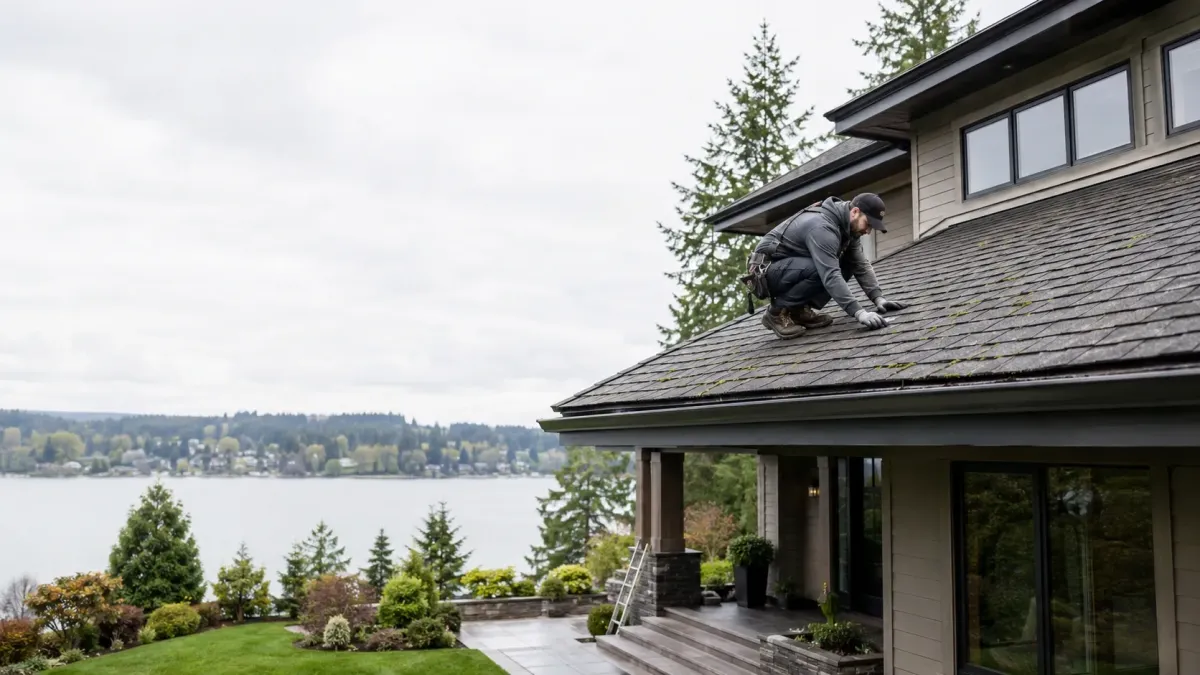
Roofs across Redmond face a steady assault from moisture and shade, with the Sammamish River valley holding damp air that keeps north-facing slopes from ever fully drying out. Newer subdivisions on the Education Hill and Grass Lawn sides sit among preserved stands of evergreen, and that retained tree cover drops needle litter that feeds moss and black algae year after year. Growth takes hold in the shaded valleys first, then spreads across the roof field, lifting shingle edges and trapping moisture against the surface. Because Redmond mixes established homes with a wave of newer construction, roof ages vary widely, but the moss pressure does not discriminate between them. A ten-year-old composition roof in a wooded cul de sac can carry as much growth as a far older one, simply because of how much shade it holds. Left alone, that buildup retains water, accelerates granule loss, and pushes a sound roof toward early replacement it never actually needed. A low-pressure soft wash clears the growth without the granule stripping that high pressure causes, reaching the damp valleys where moss concentrates. Staying ahead of the cycle keeps a Redmond roof performing through the long wet season, and it starts with recognizing how the valley's moisture and tree cover work together against every roof in the area.
Cleaning Methods Matched to Redmond Homes
Material and exposure shape every roof cleaning decision in Redmond, where the housing runs from tech-era subdivisions to older homes near Downtown and Bear Creek. Composition shingle covers most of the newer builds, and it streaks badly with algae in this climate while shedding granules if cleaned too aggressively. Cedar shake and tile appear on custom and established properties, each demanding a gentler method that clears moss without saturating wood or cracking tile underfoot. The heavy tree retention that makes Redmond neighborhoods attractive also means roofs collect debris in valleys and along shaded north slopes, so a thorough clean works around the specific layout and pitch of each home. Steeper architectural rooflines on newer construction change how a roof is accessed and rinsed, while lower-slope additions hold water differently. Matching the cleaning method to both the material and the structure clears the moss and algae while protecting the surface beneath, and a follow-up treatment slows the regrowth that Redmond's rainfall would otherwise drive right back onto the same slopes. The aim is a roof that is genuinely restored and built to stay that way, not one briefly brightened and quietly worn down. That distinction is what keeps an Eastside roof sound through seasons of shade and steady Pacific Northwest moisture.
Soft Wash Roof Cleaning
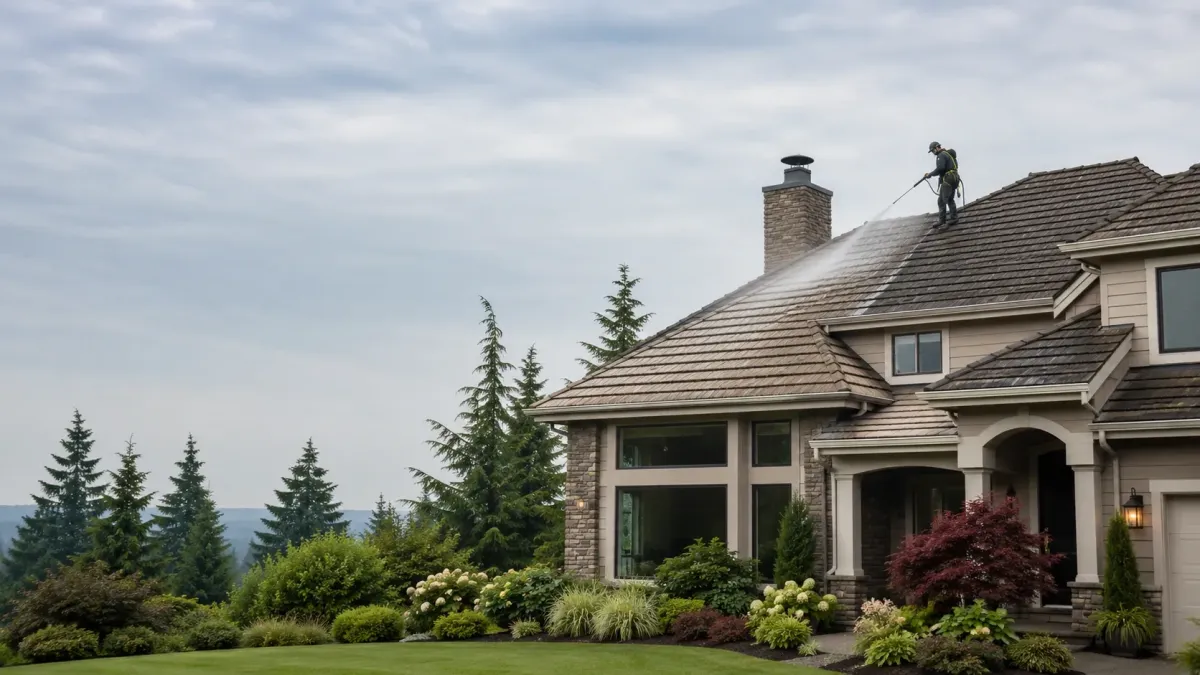
Low-pressure soft washing is what keeps Redmond roofs clean without the damage that aggressive methods cause on shaded, moisture-heavy properties. High pressure strips the granules that protect composition shingle and drives water beneath cedar, so a measured cleaning solution is applied gently to kill moss and algae at the source instead. That approach suits the steep rooflines of newer Redmond construction as well as the established homes near Downtown, where the wrong method would do lasting harm. Every roof is read for pitch, material, and the shaded valleys where growth settles first, so the work fits the property rather than a fixed routine. The mature landscaping that fills wooded Redmond lots is pre-wet and rinsed so cleaning solution never harms the plantings below. What remains is a roof cleared of the algae streaks and moss that the Sammamish valley's damp and shade produce, with the underlying surface left intact. Timed ahead of the heavy fall and winter rains, a soft wash gives a Redmond roof the best chance of holding clear through the wettest stretch of the year and protects the shingle or shake that lies beneath it for the long run on a property shaped by evergreens and moisture.
Moss Removal and Prevention
Clearing moss from a Redmond roof takes more than scrubbing, because the shade and valley moisture that feed it bring it straight back if the surface is disturbed carelessly. The work begins with a treatment that kills moss at the root, letting the mats die back before removal rather than ripping away in chunks that scar the roof. Thick, established growth on roofs that have gone years without attention, common on wooded lots near Education Hill, is lifted the same deliberate way without the scraping that ruins shingle and shake. After the surface is clear, a prevention treatment slows the return that Redmond's rainfall would otherwise drive onto the same shaded slopes within a season. That combination is what turns a one-time clean into lasting results, instead of a roof that greens over again by the next wet stretch. The north-facing valleys and debris-heavy sections found across Redmond homes get focused attention, since those hold moisture longest and collect spores first. Removing the growth stops the trapped moisture that rots decking and lifts shingle edges, which addresses the real cause of premature roof failure rather than just the staining on a Redmond home surrounded by preserved evergreen and constant Pacific Northwest damp throughout the year.
Material-Matched Roof Care
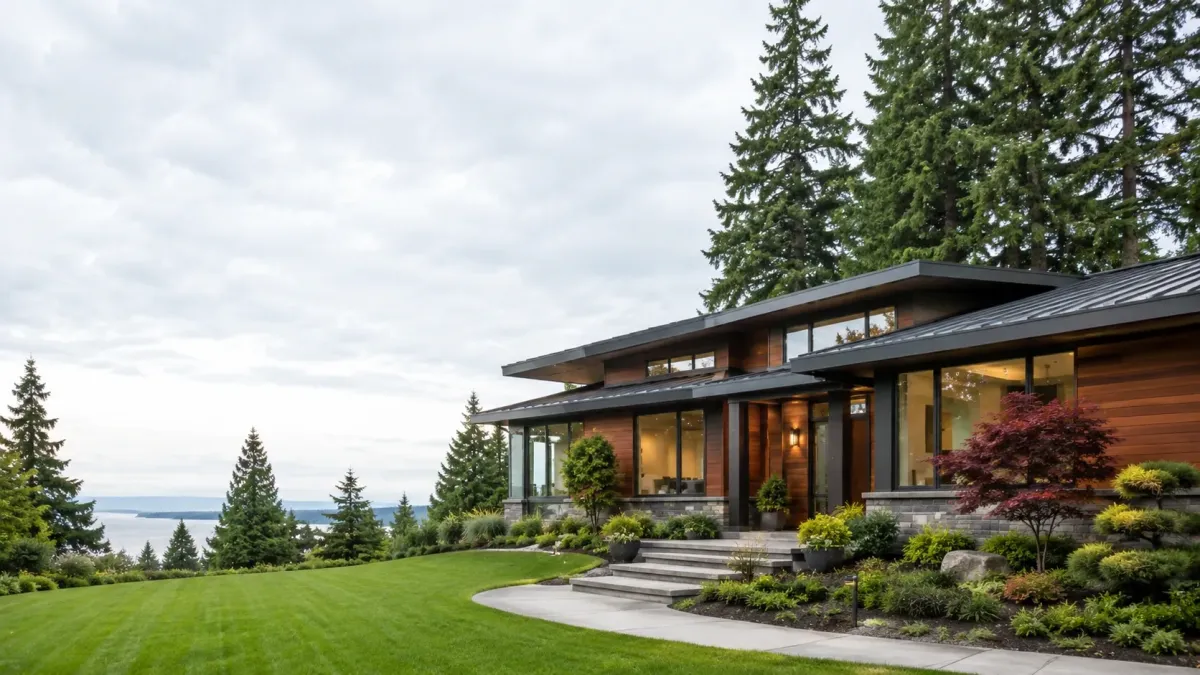
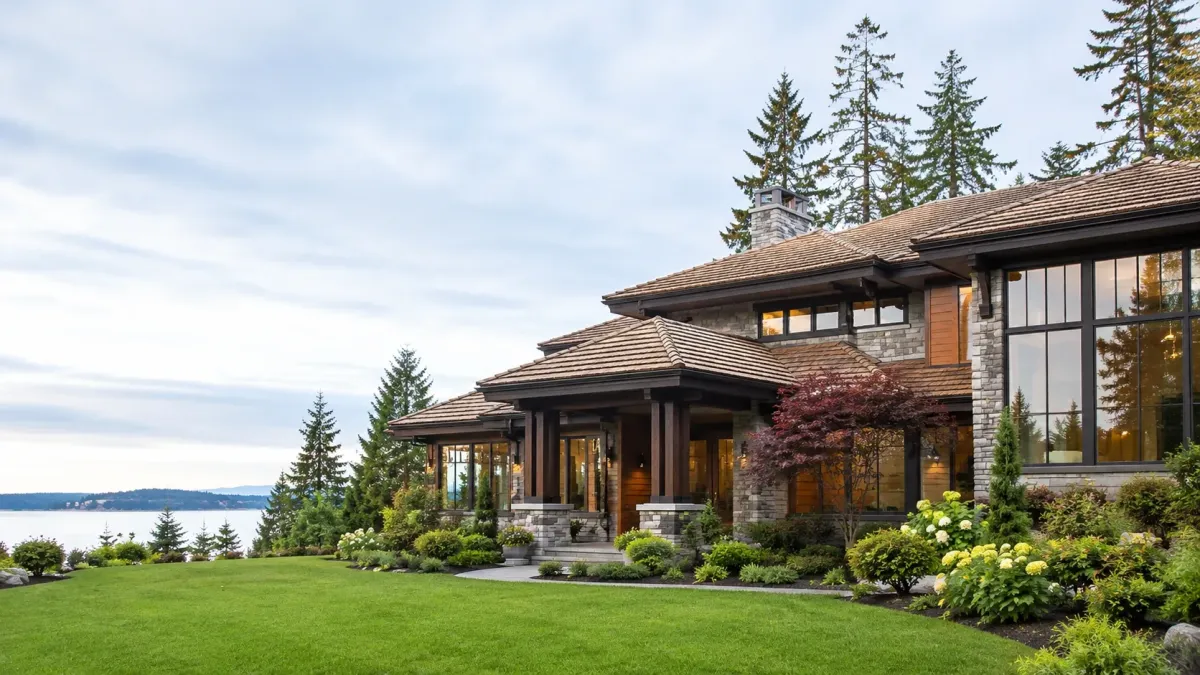
The right cleaning method depends entirely on what a Redmond roof is made of, and matching the two is what clears the growth while keeping the surface sound. Composition shingle, found on most of Redmond's newer subdivisions, sheds its algae streaks and moss under a soft wash that leaves the protective granules untouched rather than blasting them loose. Cedar shake on older and custom homes is porous and rot-prone, so it gets a careful clean that removes growth without soaking or splitting the wood. Tile roofs trap moss in their texture and shaded valleys and are walked with deliberate foot placement so none crack during the work. Metal panels develop streaks and moss at their seams and edges, and soft washing restores the finish without scratching it or stripping the coating beneath. Each material fails in its own way under Redmond's tree cover and steady moisture, so a method tuned to the surface clears the growth while protecting what lies under it. Adding a material-matched treatment after cleaning extends the result through the wet season, keeping the roof sound long after the crew leaves a property where valley moisture and retained evergreen keep moss pressure high across the year. Reading the roof before any solution is mixed is what makes that material match accurate rather than a guess on a Redmond home shaped by shade.
Eastside Roof Cleaning and Moss Removal Specialists
Proudly serving Kirkland, Bellevue, Redmond, Bothell, Woodinville and Kenmore for 14+ years.
Comprehensive Roof Cleaning Services in Kirkland
Tailored to Your Needs
From soft wash cleaning to moss removal, prevention treatments, and roof-type specialty care, we cover the full range of services Kirkland roofs need to stay clean and protected through the Pacific Northwest seasons.
Safe, low-pressure roof cleaning that clears moss and algae without harming your Kirkland roof.
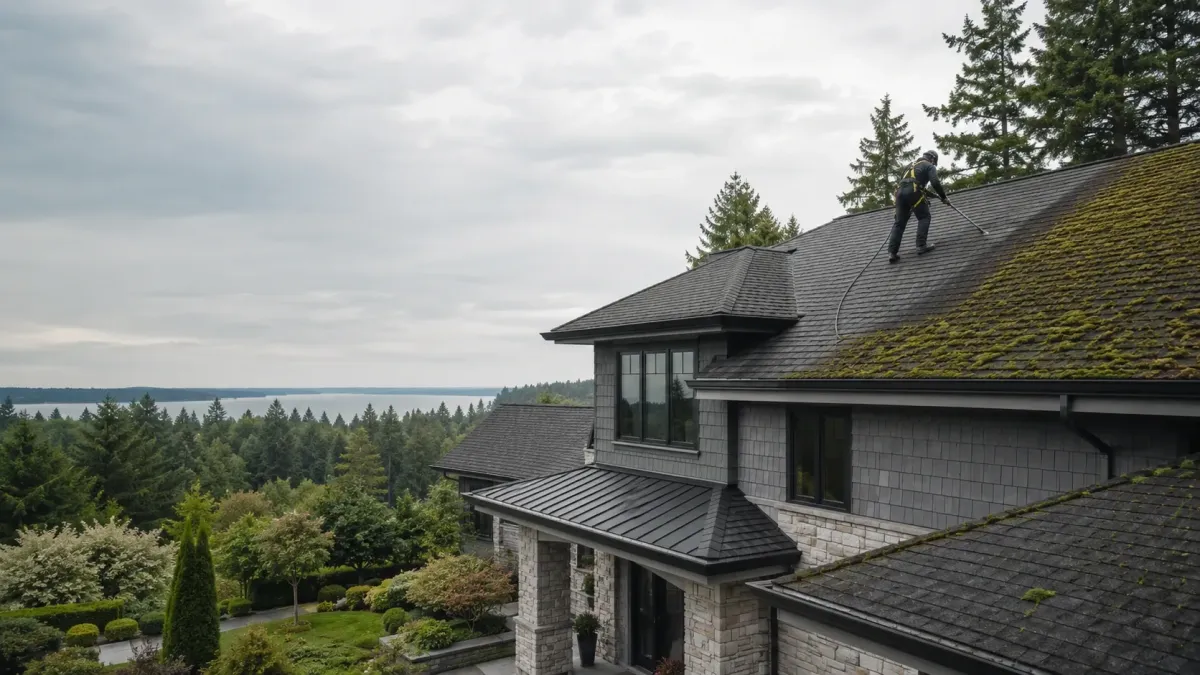
Thorough moss removal that protects your roof surface and stops moisture damage at the source.
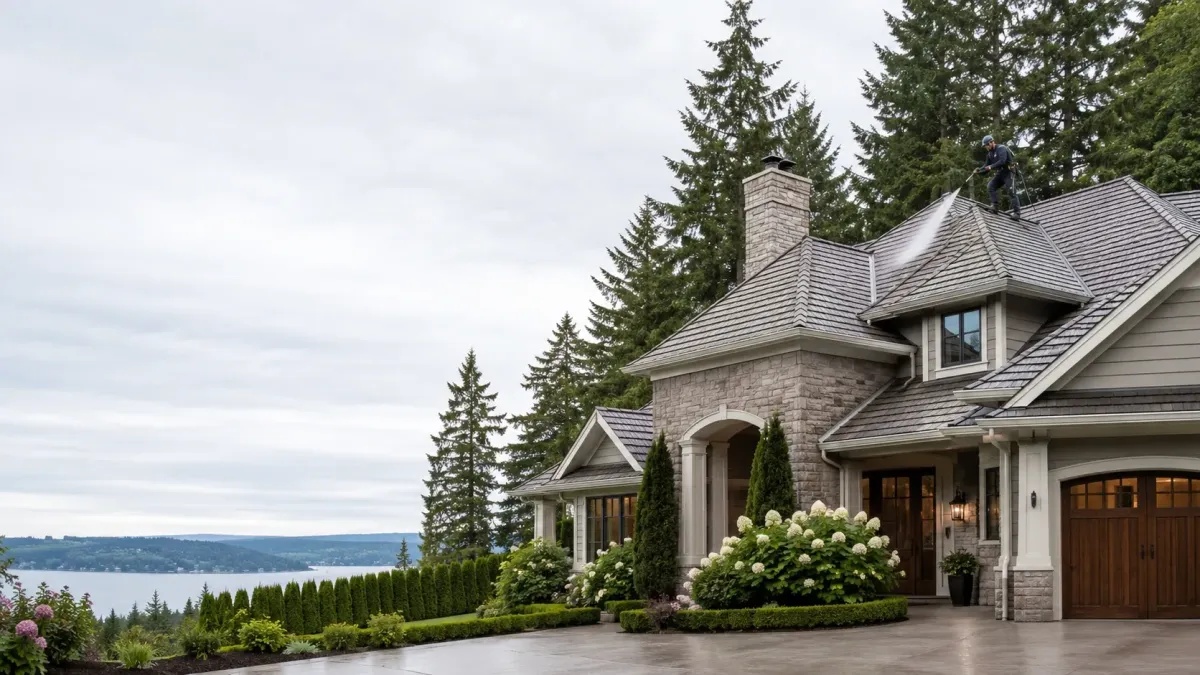
Preventive treatments that slow moss regrowth through Kirkland's long, wet winter season.
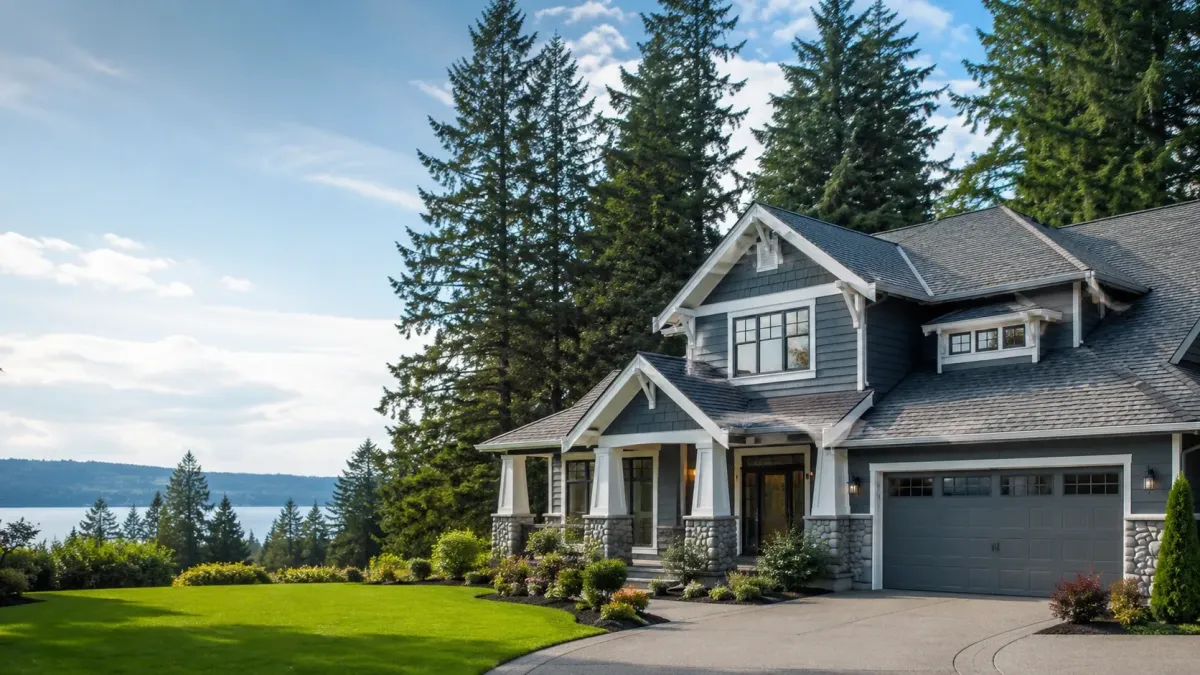
Soft wash cleaning that removes algae streaks and moss from composition shingle roofs.
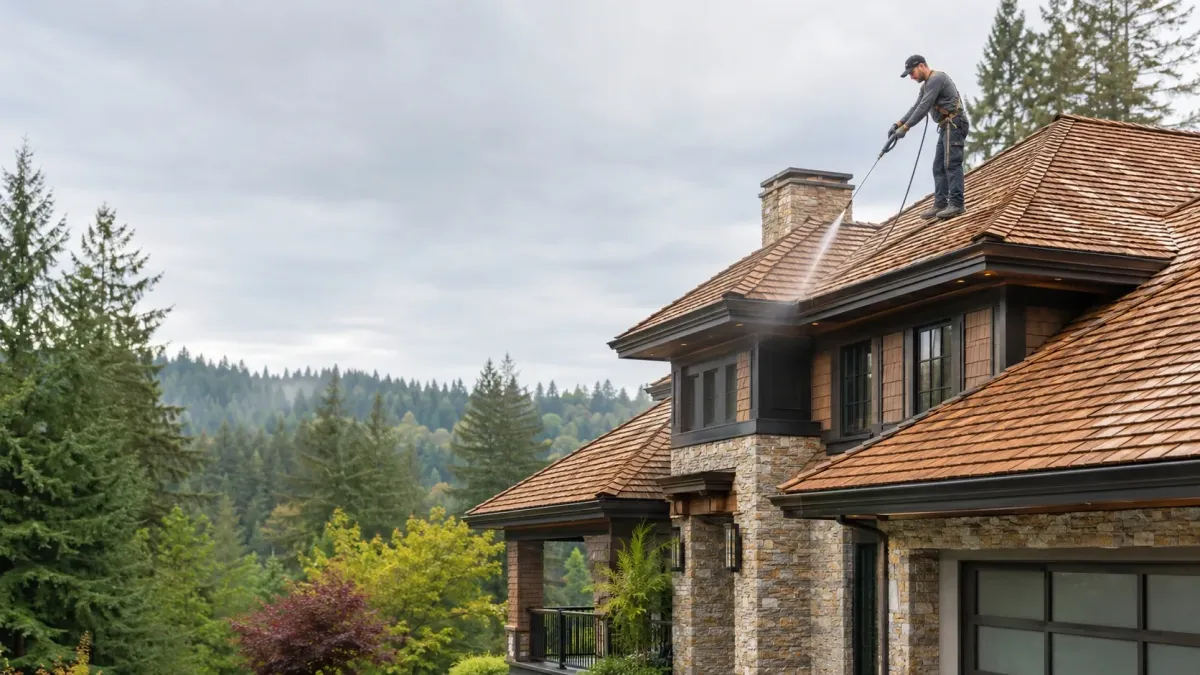
Gentle cedar shake cleaning that clears moss without saturating or splitting the wood.
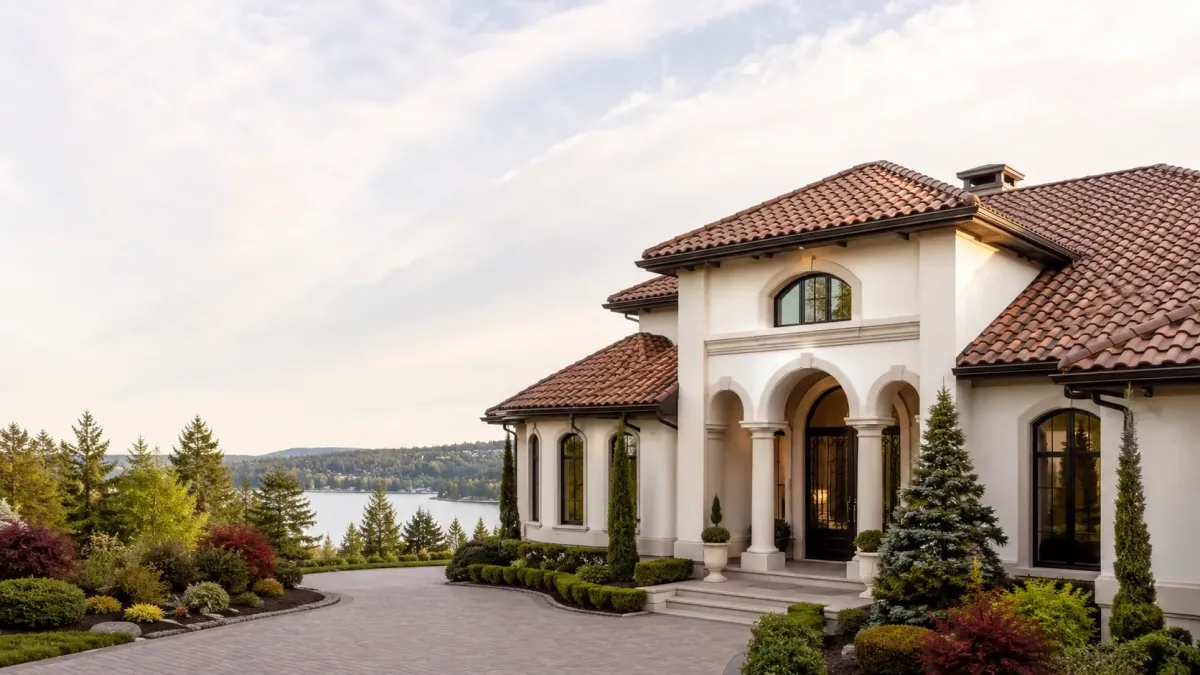
Careful tile roof cleaning that lifts moss and grime without cracking a single tile.
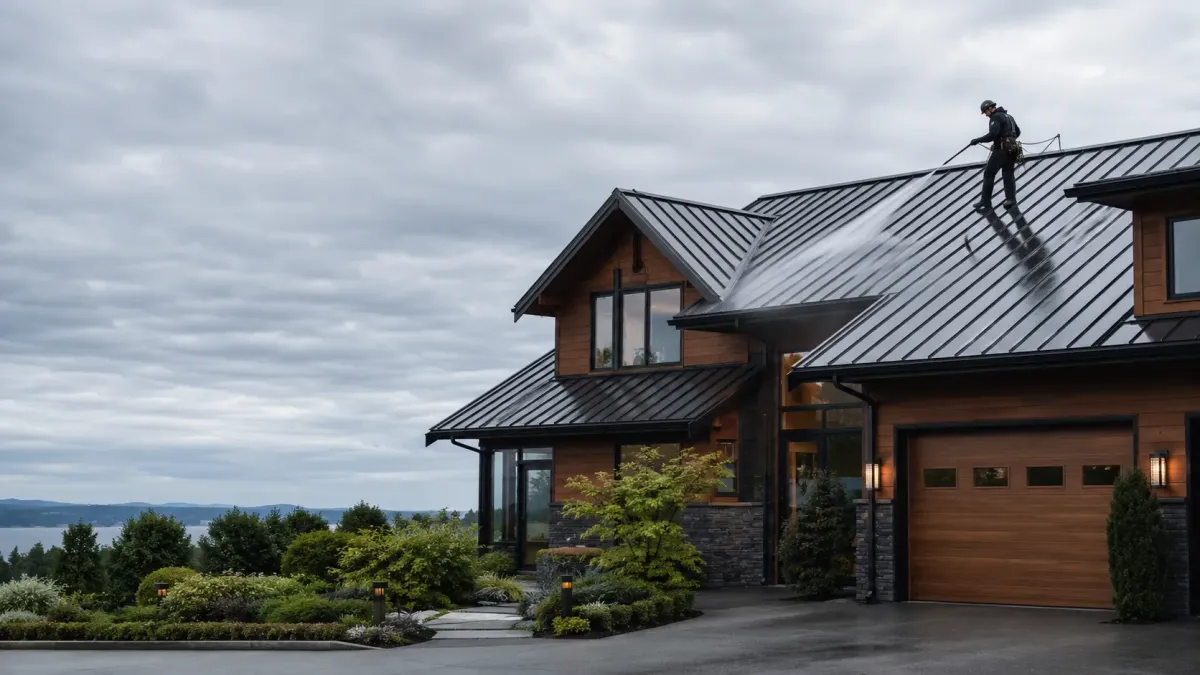
Streak-free metal roof cleaning that protects the finish and reflective coating.
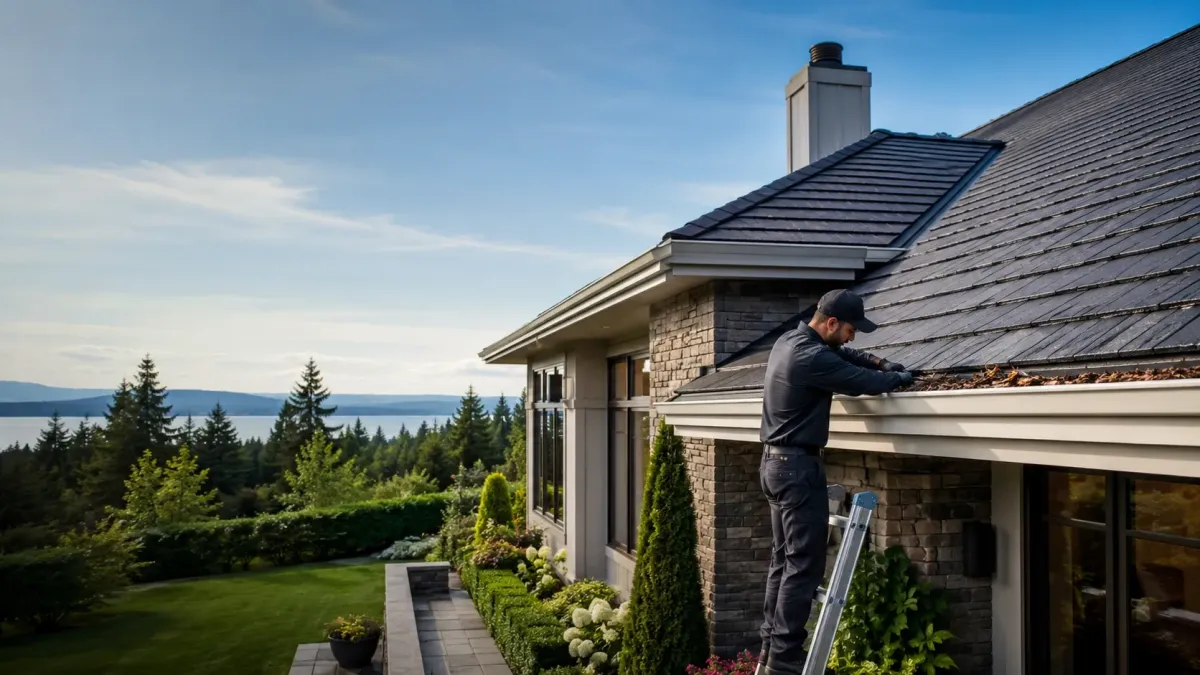
Gutter cleaning that clears moss debris and keeps Eastside water flowing away from your home.
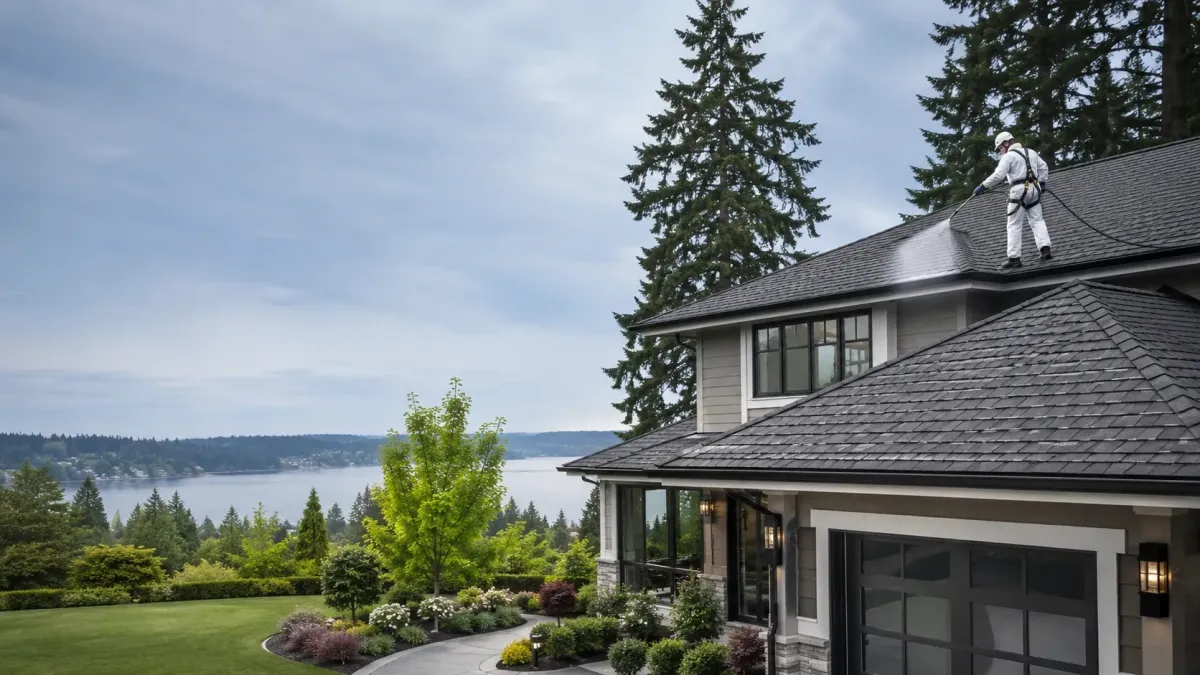
Roof treatments that extend cleaning results and slow moss regrowth all season.
An annual program that keeps your Kirkland roof clean, treated, and moss-free year-round.
Frequently Asked Questions
Roof Cleaning can be complex, and we’re here to provide answers to common questions. Here are some frequently asked questions from our clients.
Frequently Asked Questions about Roof Cleaning Kirkland
How much does roof cleaning cost in Kirkland?
Most Kirkland roof cleaning projects fall in a moderate range that depends on roof size, pitch, material, and how much moss has built up. We walk the property, check the north-facing slopes where moss thrives in our damp climate, and give a flat written quote before any work starts.
When is the best time to clean a roof in Western Washington?
In the Kirkland area the dry window from late spring through early fall is ideal. Cleaning before the wet season slows moss regrowth heading into winter rains, and a soft wash in summer lets treatments dry and bond properly rather than washing off in the next downpour.
Does soft washing damage my Kirkland roof?
No. We use low-pressure soft washing, not a pressure washer. High pressure strips the protective granules off composition shingles and forces water under cedar shakes. Soft washing applies a measured cleaning solution that kills moss and algae without damaging the roof surface.
How often should Kirkland roofs be cleaned for moss?
Given Kirkland's rainfall and tree cover, most homes benefit from a moss check every year and a full cleaning every two to three years. Properties shaded by Douglas fir or set back in Finn Hill and Bridle Trails often need attention sooner because moss spores settle fast on shaded, north-facing sections.
Will roof cleaning void my shingle warranty?
Done correctly, no. Most shingle manufacturers actually require gentle, non-pressure cleaning to keep warranties valid. Our soft wash approach follows those guidelines, and we document the method so your warranty stays intact rather than being voided by aggressive pressure washing.
Do you serve neighborhoods like Finn Hill and Juanita?
Yes. We clean roofs across every Kirkland neighborhood including Finn Hill, Juanita, Totem Lake, Bridle Trails, and Downtown, plus nearby Bellevue, Redmond, Bothell, Woodinville, and Kenmore. Local routing keeps scheduling tight and response times short across the Eastside.
Still Have Questions About Roof Cleaning Kirkland?
Speak With a Trusted Roof Cleaning Expert Today.
What Our Satisfied Clients Have to Say About
We pride ourselves on delivering great results and experiences for each client. Hear directly from home and business owners who’ve trusted us with their Roof Cleaning needs.

Our Finn Hill roof was covered in thick moss after years of rain. The soft wash crew cleared it completely without any damage and the roof looks new again. Honest quote and great work.
Karen M Kirkland
They cleaned our cedar shake roof in Juanita that I thought needed replacing. Careful, professional, and they explained the moss treatment so it stays clear through winter.
Dave Whitfield
Booked the annual maintenance program for our Totem Lake home and it has been worth every penny. No more moss creeping back and the gutters stay clear too.
Priya Raman
The Trusted Roof Cleaning Expert Near You
Ready to hear more about expert services at ?
Contact us today to receive a detailed, no-obligation quote.


